Arts
What do the Vikings need at the trade deadline?
By Erik Svenson
Advertisement · Why this ad?
Erik Svenson is a passionate arts journalist with over five years of experience in cultural reporting. He graduated from Minnesota State University and has worked for various arts publications in the region, highlighting local artists and events.
More from Erik →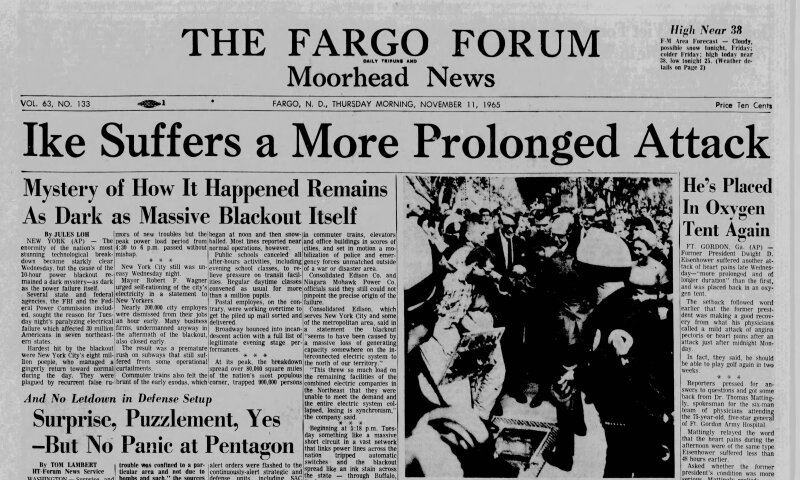
On a crisp November evening in 1965, the lights flickered on in Fargo North High School's Little Theater, marking the debut of a new chapter in local theater history. The auditorium, with its 312 seats and state-of-the-art lighting and acoustics, was the perfect venue for Fargo North High School Drama and Speech Department to present The Great Sebastians, a comedy that explored themes of capitalism and communism through the lens of a mind-reading act.
The play, written by Howard Lindsay and Russel Crouse, premiered on Broadway in 1958 with Alfred Lunt and Lynn Fontanne in the lead roles. It was a fitting choice for the debut, as it combined historical significance with entertainment value. The setting of the play, a coup d'etat in Czechoslovakia in 1948, provided a unique backdrop for the actors to explore complex themes.
The production was spearheaded by Lois Forrest, who had recently joined the North High staff from Dickinson High School. Forrest's experience and enthusiasm were palpable as she discussed the play with Howard Lindsay, who shared his insights on the piece. His visit to Dickinson was a testament to the importance of community connections in fostering artistic growth and development.
As the curtain rose on the first performance, the students of North High were eager to showcase their talents. The lead roles were taken by Randy Lebsock as Sebastian and Kathleen Quinnild as Madame Sebastian, with a supporting cast that included Bruce Overdahl, Eileen Ellis, Philip Ogle, and others. The production was not only a showcase for the actors but also a learning experience for second-year speech students who were involved in the planning and execution of the play.
The Little Theater's design was equally impressive, with a stage that could be extended to accommodate larger productions. The lighting system, with 86 front lights and 35 from the stage, promised a versatile and dynamic performance space. The acoustics were carefully crafted to enhance the audience's experience, making the theater a true asset for the community.
The play's setting in 1948 Czechoslovakia offered a timely exploration of political ideologies, resonating with audiences in 1965 as the Cold War continued to shape global politics. The themes of The Great Sebastians were particularly relevant, as the nation grappled with the aftermath of World War II and the emerging tensions between East and West.
As the curtain fell on the first night, Lois Forrest awaited the audience's response with bated breath. The success of the play would not only determine the future of the theater but also provide a sense of validation for the students' hard work. Tickets were priced at 75 cents, and the students hoped that their efforts would earn them enough to purchase necessary equipment for future productions.

The debut of The Great Sebastians at the new Little Theater was met with enthusiasm from the community. Local residents were eager to support the school's arts program and see the play. The event was not just a cultural moment but also a testament to the commitment of North High's students and staff.
Community members expressed their support for the theater, recognizing its potential to enrich the cultural landscape of Fargo. The Little Theater was seen as a valuable asset, not just for North High but for the entire community. As Lois Forrest awaited the audience's response, she was hopeful that the play would spark a new era of artistic expression in the area.
One local resident, Jane Thompson, commented on the significance of the event: It's wonderful to see our young people taking an active role in the arts. This theater will be a great resource for years to come.
Fargo Public Schools and the North Dakota Department of Education recognized the importance of arts education, and the Little Theater was seen as a crucial component of this mission. The play's success would pave the way for future productions and further cement the theater's place in the community.

The success of The Great Sebastians set the stage for future productions at the Little Theater. Lois Forrest and her students were already planning for the next show, eager to build on the momentum of their debut. The theater's potential was recognized by local arts organizations and community leaders, who saw it as a valuable asset for the region.
The Little Theater's debut was a significant moment in the history of Fargo's arts scene. It marked the beginning of a new era of artistic expression and provided a platform for young talent to showcase their skills. The theater's success would inspire future generations of artists and continue to enrich the cultural landscape of the community.
As the curtain closed on The Great Sebastians, Lois Forrest reflected on the journey that had brought her and her students to this moment. She was grateful for the support of the community and excited for what the future held. The Little Theater had become more than just a venue; it was a symbol of the commitment to arts education and the belief in the power of artistic expression.

The debut of The Great Sebastians at the new Little Theater in 1965 was more than just a local event; it was a moment that encapsulated the American dream. For Lois Forrest and her students, it was a testament to the power of hard work and dedication. The theater's success was a reflection of the community's commitment to arts education and the importance of cultural enrichment.
As we look back on this historic moment, we can see the lasting impact it had on the community. The Little Theater has become a cornerstone of Fargo's cultural landscape, providing a platform for artistic expression and fostering a sense of community pride. It serves as a reminder of the importance of supporting our local artists and the value of investing in our future generations.
For residents of Fargo, the Little Theater is more than just a building; it is a symbol of hope and opportunity. It represents the commitment to building strong, vibrant communities and the belief that through art, we can come together and celebrate our shared values.