Schools
Constitution change funding Minnesota schools appears likely to pass
By Tommy Anderson
Advertisement · Why this ad?
Maya Patel has spent the last six years covering the arts scene in Fargo after earning her degree in Arts Management from North Dakota State University. She has a strong background with local art galleries and theaters, bringing a vibrant perspective to her reporting.
More from Maya →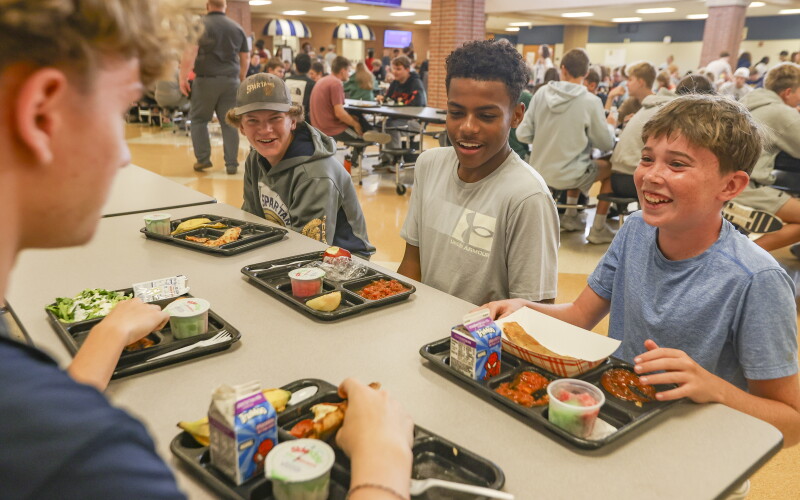
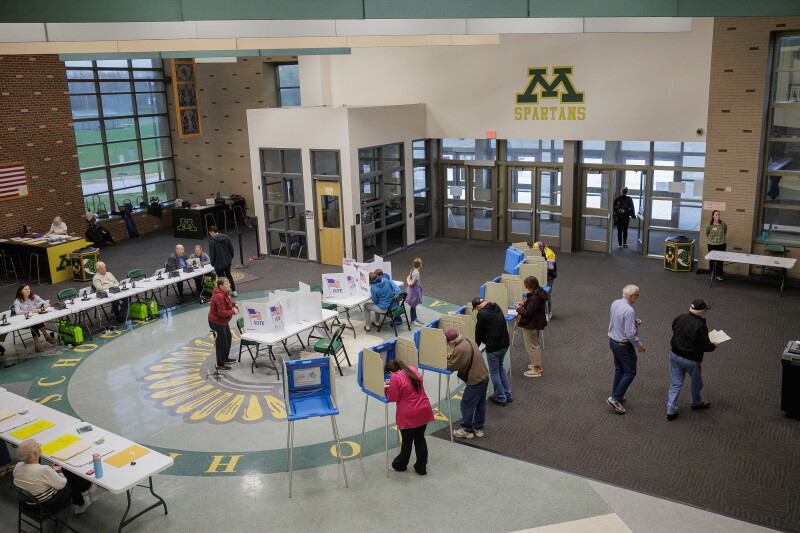
As the sun dipped below the horizon on a brisk November evening, a palpable tension filled the air in Bismarck, North Dakota. Families gathered around kitchen tables, discussing the fate of a significant measure that could alter the landscape of public education in the state. On the ballot was Measure 2, a proposal that would ensure free breakfast and lunch for all public school students. With the clock ticking down to the polls closing, the stakes were high for the 125,000 enrolled students who rely on these meals.
Measure 2, which voters considered on Tuesday, November 3, seeks to amend Article VIII of the North Dakota Constitution to mandate that every public school provide one free breakfast and one free lunch to students each school day. The initiative is fueled by a coalition of over 80 organizations, including Prairie Action ND, which advocates for equitable access to nutrition in schools.
In the latest updates, unofficial results showed a tight race, with 51.5% of voters opposing the measure and 48.5% in favor as of 11 p.m. With 324 of 358 precincts reporting, the outcome remained uncertain. A simple majority is all that is needed for the measure to pass, and advocates like Amy Jacobson remain cautiously optimistic.
"Getting a yes vote on a ballot measure is incredibly difficult, and people had a lot of things to think about, but ... we're still hopeful," Jacobson said, emphasizing the importance of addressing food insecurity among families. No matter the outcome, she believes the conversation surrounding school meals is crucial for the community.
The proposed measure aims to tackle a pressing issue in North Dakota: food insecurity. Many families struggle to afford nutritious meals, and schools often serve as a vital lifeline for children. The initiative would not only provide meals at no cost to students but also ensure that school districts are reimbursed at 100% of the rates used by the state for free meals, adjusted annually for inflation.
According to estimates, the fiscal impact of this measure could range between $124 million and $134 million for the 2027–29 biennium. This funding would come from the state's Legacy Fund, a revenue source generated by oil and natural gas extraction, which voters approved in 2010. The measure also stipulates that school districts must maximize federal reimbursement and encourage families to apply for free and reduced-price meals, ensuring that the program is sustainable and effective.
Advocates for the measure argue that providing free meals is not just about nutrition; it's about creating an environment where all students can thrive academically and socially. Schools that offer free meals often see improved attendance and academic performance, as children are better equipped to focus on their studies when they are not distracted by hunger.
The community's response to Measure 2 has been a tapestry of hope, concern, and determination. Many parents and educators have voiced their support, highlighting the challenges faced by families in the current economic climate. "We know that families are struggling, and the affordability issue is front and center," Jacobson remarked, capturing the essence of the community's sentiment.
Local educators have echoed these sentiments, emphasizing the role of schools in not just educating children but also nurturing them. A teacher from Fargo Public Schools shared, "When kids come to school hungry, they can't learn. It's as simple as that. We owe it to our students to ensure they have access to healthy meals." This sentiment resonates with many, as the measure represents a commitment to the well-being of the state's youth.
However, not all voices are in favor. Some voters express concerns about the potential financial burden on the state, questioning whether the funding source can sustain such an initiative long-term. These concerns highlight the need for a balanced conversation about education funding and community support.
The journey to get Measure 2 on the ballot was not without its challenges. Earlier this year, state lawmakers narrowly rejected a bill that would have allocated $65 million for free meals during the 2026-27 school year. The bill passed the North Dakota House but fell short in the Senate by just two votes. This setback galvanized advocates, leading them to pursue a citizen-led initiative instead.
"Together for School Meals was born out of a necessity to ensure that all children have access to nutritious meals," Jacobson explained. The coalition's efforts reflect a growing recognition of the importance of addressing food insecurity in schools, particularly in a state where many families are struggling to make ends meet.
The measure, if passed, would not only provide immediate relief but also set a precedent for future initiatives aimed at supporting families and children. It embodies the spirit of community and the belief that every child deserves a fair chance at success.
As the votes continue to be counted, the community waits with bated breath. The implications of Measure 2 extend far beyond the ballot box; they touch the lives of countless families across North Dakota. If approved, schools will need to prepare for the logistical challenges of implementing free meal programs, including staffing, food procurement, and outreach to families.
Jacobson and her coalition are already looking ahead, recognizing that the conversation around school meals is just beginning. "Regardless of the outcome, we need to keep advocating for our children and ensuring they have access to the resources they need to succeed," she stated passionately.
The potential passage of Measure 2 could pave the way for similar initiatives in the future, reinforcing the idea that investing in children's well-being is an investment in the community's future. As North Dakota navigates this critical moment, one thing is clear: the commitment to ensuring that every child is fed is a conversation worth having.
In the coming days, as the final votes are tallied and the community reflects on the implications of this measure, the hope for a brighter future remains steadfast. The values of strong families, community support, and the American dream of opportunity for all continue to resonate deeply within the hearts of North Dakotans.
By Tommy Anderson

By Tommy Anderson
By Tommy Anderson

By Maya Patel