
Arts
Honoring the North Dakota native who helped raise first flag at Iwo Jima
By Erik Svenson
Advertisement · Why this ad?
Erik Svenson is a passionate arts journalist with over five years of experience in cultural reporting. He graduated from Minnesota State University and has worked for various arts publications in the region, highlighting local artists and events.
More from Erik →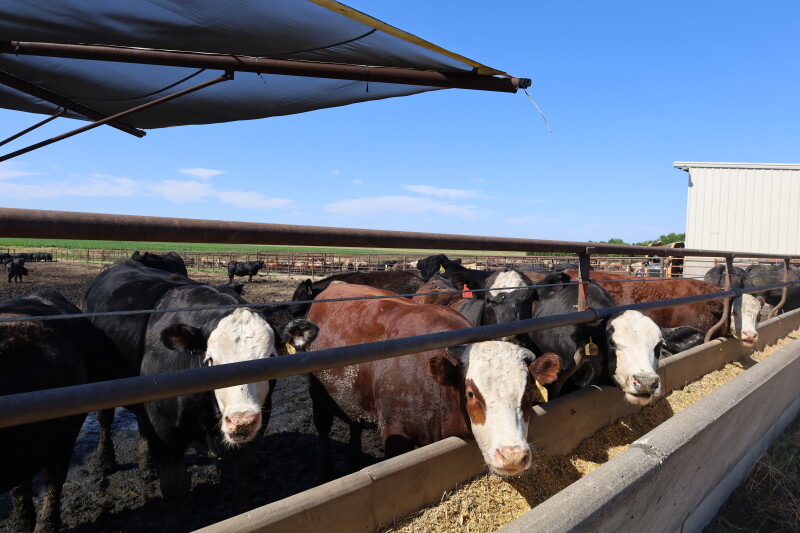
Ariana Schumacher / Agweek By Ariana Schumacher Today at 5:30 AM Listen Comments Share Share this article News Reporting News Reporting Based on facts, either observed and verified firsthand by the reporter, or reported and verified from knowledgeable sources. The Trust Project What is this? BROOKINGS, S.D. — Corn, milo and small grain crops occasionally can be found sprouting, and that happened in parts of the region this year. That doesn't necessarily mean the crop will go to waste, though, as some sprouted grains can be used in livestock feeding. “There’s not a huge amount of research trials done on this; as you could imagine, it’s not something that happens often. But what they have found has been no difference, really, between, like, sprouted small grains or sprouted milo and normal grain,” said Warren Rusche, SDSU Extension feedlot management specialist. ADVERTISEMENT Rusche said he assumes that, if all other quality factors in the grain are fine, the grain can be fed without ill effects to the livestock. When it comes to selling sprouted grain, some markets, such as ethanol production facilities, may not accept that crop, so feeding it to livestock would be the next best option, he said. Sprouted grain is not as common in the upper Great Plains as in other regions, as it is usually accompanied with warm and wet conditions. It’s a little more common in small grain crops, compared to corn or milo. “But the corn deal this year, that’s new and that raises a lot of concerns. People get really concerned about things like mold and mycotoxin when we see that,” Rushe said. Ariana Schumacher / Agweek Mold and mycotoxin are big concerns for many producers. It can cause reduced intake and cause poor performance and health issues. To test for mold and mycotoxin levels, producers will need to take a feed sample to a lab. ADVERTISEMENT “You know, to some extent, those words end up scaring people more than maybe they ought to, but that doesn’t mean we need to ignore it. We do need to make sure that we’ve got, especially if this is going to dairy cattle, that we don’t have issues with mycotoxin levels,” Rusche said. More cattle news: What to watch for when grazing forages with a higher risk of prussic acid 30m ago Preparing cattle for extreme weather, no matter the season 1d ago Can selling corn stover be beneficial to your operation? 2d ago These concerns are higher for dairy operations partially because those toxins end up getting concentrated in the milk and then it becomes problematic to sell, Rushe said. It’s also important to make sure that the grain is dried down enough for storing. “This is probably not the time to be skirting the edge in terms of moisture content going into dry storage. So, if we normally put, say, corn in at 15%, you know, maybe we need to get that down drier just a little bit more, down to 14 or so and also use a fair amount of heat, because we need to be able to stop that sprouting process before it keeps going,” Rusche said. Rusche said that growing and finishing cattle or lambs are probably the easiest livestock to feed sprouted grains to. This is because they would be the most tolerant to mold or mycotoxins. Producers need to be a little more cautious when feeding sprouted grain to pregnant livestock. Dairy cattle is the most sensitive category. ADVERTISEMENT But, if there’s no mycotoxin contamination, then producers don’t need to be concerned, Rusche said. Comments Share Share this article News Reporting News Reporting Based on facts, either observed and verified firsthand by the reporter, or reported and verified from knowledgeable sources. The Trust Project What is this? Tags Tags AGRICULTURE CATTLE CORN By Ariana Schumacher Ariana is a reporter for Agweek based out of South Dakota. She graduated from South Dakota State University in 2022 with a double major in Agricultural Communications and Journalism, with a minor in Animal Science. She is currently a graduate student at SDSU, working towards her Masters of Mass Communications degree. She enjoys reporting on all things agriculture and sharing the stories that matter to both the producers and the consumers. Twitter Facebook Listen to this article Conversation ADVERTISEMENT What To Read Next Corn Grazing corn stalks to combat volunteer corn 3d ago · By Ariana Schumacher Markets The grain is in the bin. Now what? 6d ago · By Allison Thompson Cattle Tips for transitioning calves to the feedlot Nov 3 · By Ariana Schumacher ADVERTISEMENT Get Local