Sports
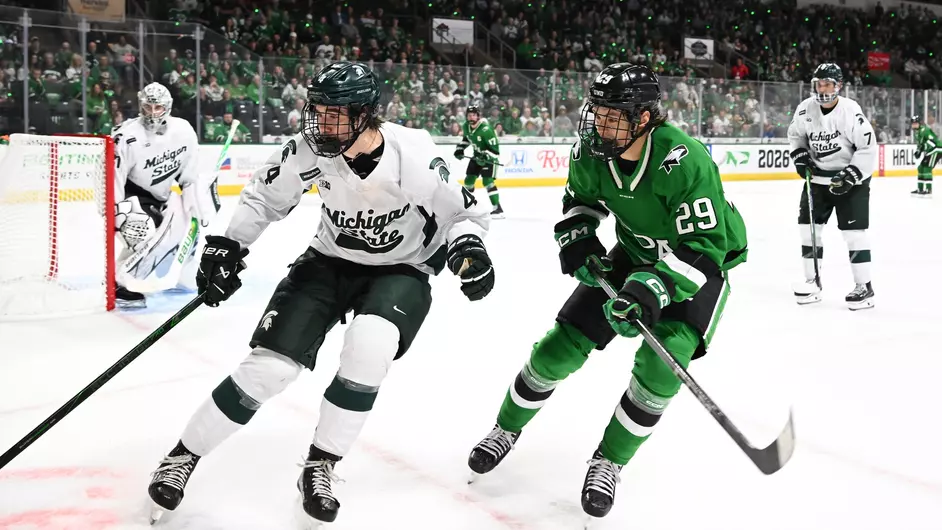
No. 8 NoDak falls short, 5-3, against No. 4 Michigan State in Austin
By Diane Nguyen
Advertisement · Why this ad?
Diane Nguyen is an enthusiastic sports reporter with a passion for covering local high school athletics. A graduate of Minnesota State University Moorhead, she has spent the last five years reporting for local sports networks while fostering community pride through her vibrant storytelling.
More from Diane →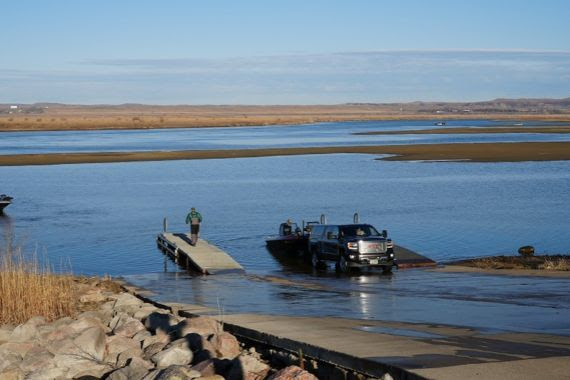
As the sun rises over the Missouri River, casting golden rays on the calm waters, the anticipation of a vibrant boating season fills the air. Yet, beneath this picturesque scene lies a pressing concern for the 2027 boating season. With ongoing low water conditions across Lake Sakakawea, Lake Oahe, and the Missouri River, state and federal agencies are bracing for significant challenges that could impact local recreation enthusiasts. The collaborative efforts of the North Dakota Game and Fish Department, North Dakota Parks and Recreation Department, U.S. Army Corps of Engineers, and local partners are already in motion to address these impending issues.
In recent months, the Missouri River system has faced ongoing challenges, with water levels at Lake Sakakawea and Lake Oahe dropping to concerning lows. These conditions are projected to create significant hurdles for boating access throughout the 2027 season. Anticipating further reductions in water levels, agencies are proactively preparing to mitigate the impact on popular recreation sites.
Following ice-out in early 2027, officials from various agencies will spring into action, working diligently to address the boating access needs of the community. However, they caution that despite these efforts, many boat ramps and parking lots may be less than ideal for the influx of anglers and boaters eager to enjoy the waterways.
The North Dakota Game and Fish Department has already recognized the need for adjustments to the fishing tournament schedule on the Missouri River System. To manage the anticipated congestion at viable ramp locations, officials have announced that no additional open water fishing tournaments will be permitted beyond those already approved during the 2026 scheduling cycle.
The Missouri River is not just a body of water; it is a lifeline for the Fargo community and beyond. The river serves as a hub for recreational activities, drawing families and friends together for fishing, boating, and outdoor adventures. However, with the looming boating access challenges, the impact on local communities could be significant.
Local businesses that depend on tourism and recreational spending may feel the pinch as fewer boaters venture out onto the water. Restaurants, bait shops, and lodging facilities that thrive during the summer months could see a decrease in customers, affecting their overall revenue. This ripple effect underscores the importance of proactive measures taken by agencies to maintain access to the river.
As the boating season approaches, recreationists are encouraged to plan ahead. The North Dakota Game and Fish Department and other agencies are urging boaters and anglers to monitor official updates closely. This proactive approach will be essential in navigating the challenges posed by low water levels.
Boaters are advised to familiarize themselves with the locations of viable boat ramps and parking areas, as congestion is expected to rise at these sites. The adjustments made to the fishing tournament schedule are designed to alleviate some of this pressure, but community members must remain vigilant and adaptable as conditions evolve.
Officials from the North Dakota Game and Fish Department and other agencies are committed to ensuring the safety and enjoyment of all water recreationists. The collaborative efforts of the U.S. Army Corps of Engineers and local partners demonstrate a shared dedication to preserving access to the Missouri River system.
In a recent statement, a representative from the North Dakota Parks and Recreation Department emphasized the importance of community engagement in addressing these challenges. “We want to ensure that everyone has the opportunity to enjoy the river while also prioritizing safety and access,” they stated. This commitment reflects the values of collaboration and community that are essential to the spirit of Fargo.
As we look toward the 2027 boating season, it is crucial for the community to remain informed and engaged. The proactive measures being taken by local agencies are a testament to their commitment to preserving the recreational opportunities that the Missouri River offers. However, it will take a collective effort from all water enthusiasts to navigate the challenges ahead.
Community members are encouraged to participate in local meetings and discussions regarding boating access and safety. By staying informed and involved, residents can play an active role in shaping the future of recreational activities on the Missouri River.
Among the community members, local anglers and boaters are already expressing their concerns. John Peterson, a lifelong fisherman from Fargo, shared, “The river is where I spend most of my summer. Losing access to good ramps would not just limit my fishing; it would affect how I connect with my family.” His sentiments echo a broader concern among residents who view the river as a communal space for bonding and recreation.
Local businesses, such as the Fisherman’s Supply Store, are also preparing for the potential downturn. Owner Mary Thompson expressed her worries, stating, “If fewer people are able to get on the water, it’s going to hurt us. We depend on those summer sales to keep our doors open.” This highlights the interconnectedness of the river’s health and the economic vitality of the region.
Beyond the immediate recreational impacts, the low water levels raise environmental concerns as well. The Missouri River is home to diverse ecosystems that rely on stable water levels. Aquatic habitats for fish and other wildlife may be compromised, which could have long-term effects on biodiversity. Experts from the North Dakota Game and Fish Department have noted the importance of maintaining healthy water levels not just for recreation, but for the overall ecological balance of the region.
As the 2027 boating season approaches, agencies will be closely monitoring water levels and making necessary adjustments to their plans. Regular updates will be provided through local media and official agency channels, ensuring that the community is kept informed. Residents are encouraged to check websites such as the North Dakota Boating Resources and North Dakota Game and Fish Department for the latest information.
Furthermore, collaborative efforts will continue as local stakeholders come together to discuss potential solutions. Workshops and community forums may be organized to foster dialogue about sustainable practices and alternative recreational opportunities that could mitigate the impact of low water levels.
As the river flows steadily onward, so too does the spirit of resilience within our community. The challenges we face are opportunities for growth and collaboration, reminding us of the importance of family, faith, and commitment to one another as we navigate the waters of life together.
By Diane Nguyen

By Carlos Martinez

By Carlos Martinez

By Carlos Martinez