
Schools
Vote on free meals for students of North Dakota public schools is close
By Maya Patel
Advertisement · Why this ad?
Tommy Anderson is a community reporter with a knack for uncovering local stories that matter. He has a journalism degree from Minnesota State University Moorhead and has reported for several local news organizations over his eight-year career.
More from Tommy →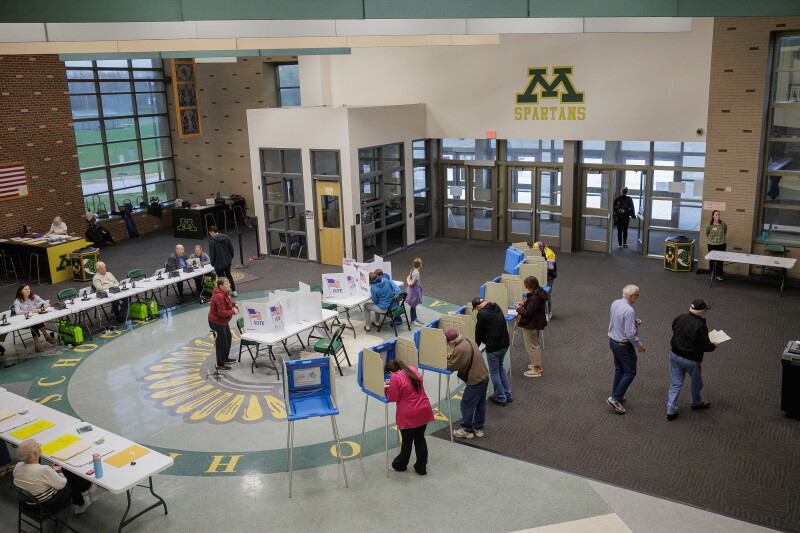
As the sun set over Fargo on election night, families gathered around their kitchen tables, anxiously awaiting the results of a pivotal vote that could reshape the future of education in Minnesota. The atmosphere was charged with anticipation, reflecting the hopes of parents and educators alike. By midnight, the results were clear: a resounding 73% of voters approved an amendment to the state’s constitution, paving the way for increased funding for schools across the state.
On November 3, 2026, Minnesota voters made a significant decision, approving an amendment that will allow schools to receive enhanced revenue from the Permanent School Fund. This amendment represents a monumental shift in how educational funding is structured in Minnesota, a state that has long grappled with the challenges of providing adequate resources for its students.
The amendment will take effect in July 2027, when schools will start to receive the increased funding. The Minnesota School Boards Association reported that the fund provided $68 per student to districts in 2025. Had the amendment been in place then, that figure would have risen to $101 per student. Such an increase is expected to have a profound impact on school budgets, allowing for better resources, hiring of additional staff, and improved educational programs.
The Permanent School Fund, established in the 1800s from the sale of timber and other natural resources, had grown to an impressive $2.4 billion by 2025. It was designed to support education, but the distribution of funds had been limited to between 2% and 2.5% of the annual dividends and interest. The newly approved amendment will change this distribution method, allowing for a more generous allocation of 4.5% of the fund’s three-year rolling average value.
The response from the community has been overwhelmingly positive. Educators, parents, and students have expressed their excitement about the potential for improved educational outcomes. Local teacher Sarah Johnson shared her enthusiasm: "This funding will allow us to invest in our classrooms, purchase new materials, and ultimately provide a better learning environment for our students."
Parents have also voiced their support, recognizing the long-term benefits this funding will bring. John Reynolds, a father of two school-aged children, stated, "We want our kids to have the best education possible. This amendment is a step in the right direction for our schools and our community." The engagement of families in the voting process underscores the importance of education in the lives of residents in Fargo and beyond.
The journey to this amendment began in 2024 when the Minnesota Legislature established a task force to investigate the maintenance of the Permanent School Fund. The task force's recommendations led to the constitutional amendment that voters approved. This proactive approach by the legislature highlights the commitment to improving education funding in Minnesota, ensuring that schools can meet the needs of their students effectively.
The financial implications of this amendment are significant and far-reaching. By increasing the per-pupil funding, schools will be better positioned to address various challenges, including staffing shortages and outdated educational materials. The anticipated increase in funding will not only enhance the quality of education but also foster a more supportive learning environment for students.
Moreover, the amendment specifies that the increased revenue will not come from tax hikes, which alleviates concerns for taxpayers. This aspect has been a crucial selling point for the amendment, as it ensures that the funding increase is sustainable and does not place additional financial burdens on families.
As schools prepare to implement these changes, administrators are already brainstorming ways to allocate the newfound resources effectively. Many are considering investments in technology, hiring specialized staff, and expanding extracurricular programs that enrich the educational experience.
With the successful passage of this amendment, the future of education in Minnesota looks promising. Schools will be equipped with the necessary resources to foster a learning environment that prioritizes student success. The increased funding is expected to lead to enhanced academic performance, higher graduation rates, and better preparation for post-secondary education.
As the July 2027 implementation date approaches, school districts will need to strategize on how to best utilize the additional funds. Engaging with parents, teachers, and the community will be vital in ensuring that the resources are directed toward the areas of greatest need.
Furthermore, this amendment sets a precedent for future educational funding initiatives. It demonstrates that when communities come together to support education, meaningful change is possible. As families in Fargo and throughout Minnesota celebrate this victory, they are reminded of the power of their voices in shaping the educational landscape.
Many community members are already vocal about their hopes for the future. Local high school senior Maria Gomez shared her perspective, saying, "I’m excited to see what this means for my school. We’ve been struggling with outdated textbooks and not enough technology. This funding could change everything for us. It’s about time we get the resources we need to succeed."
School board member David Thompson echoed these sentiments, emphasizing the importance of community involvement. "We need to ensure that the voices of parents and students are heard in how we allocate these funds. This is not just about numbers; it’s about the future of our children and our community. We have a responsibility to make every dollar count."
Beyond the immediate benefits for Minnesota schools, this amendment could serve as a model for other states facing similar challenges in education funding. As the national conversation around educational equity continues to evolve, Minnesota’s decision may inspire other regions to explore similar constitutional amendments or legislative changes that prioritize educational funding.
Moreover, the successful passage of this amendment could lead to increased political engagement among voters, particularly parents and educators who feel empowered by this collective action. The amendment's approval illustrates that when communities unite for a common cause, they can achieve significant change. This could pave the way for future initiatives aimed at enhancing educational opportunities across the state.
In conclusion, the approval of the constitutional amendment represents a significant step forward for Minnesota's education system. It reflects a collective commitment to investing in the future of our children and ensuring that every student has access to a quality education. As we look ahead, it is essential to continue advocating for policies that support strong families and foster a thriving educational environment.
By Maya Patel

By Tommy Anderson
By Tommy Anderson
By Lila Johnson